


To make your website stand out from the crowd, you need to ensure that it meets the basic standards for web design, since they allow you to ensure that your users have a pleasant experience on your pages, increasing the likelihood that they'll visit again.
If you want to improve the user experience of your website, we'll explain below how to create the best and most user-friendly web design for your visitors.
What are web design standards?
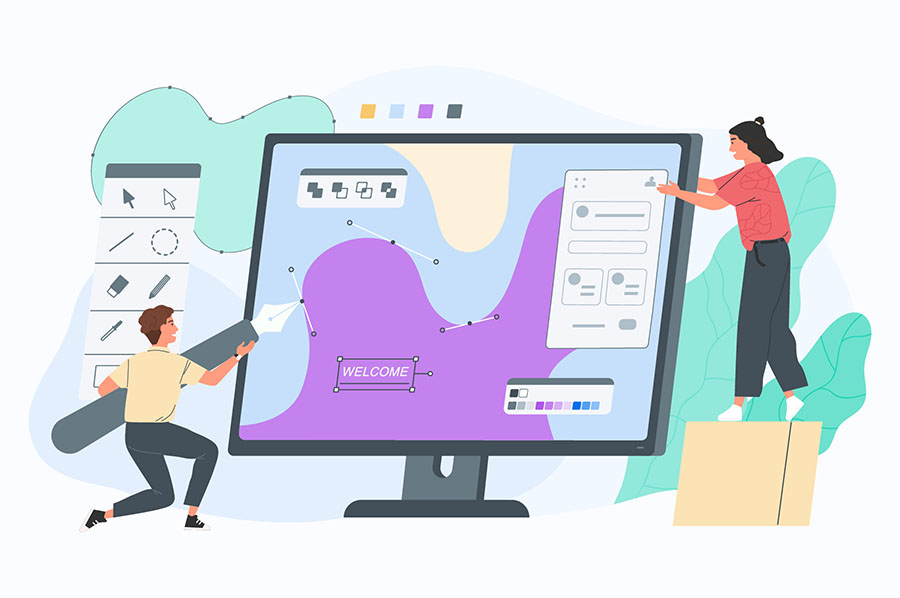
Web design standards consist of a series of concepts and various tools with the goal of creating a website that is easy to use, highly functional, and effective, all of this to ensure that visitors to your website have a pleasant and hassle-free experience.
What is the purpose of web design standards?
The purpose of web design standards is to provide users with a a better website experience.
As we all know, a bad experience leads people to never return to that website. That's why it's very important to do everything possible to attract them and build their loyalty, so they can learn about your product or service and, if they're interested, purchase it easily.
The 8 Standards of Web Design

There are 8 web design standards which are designed to make users' lives easier in terms of functionality and design.
Learn more about them below:
1. Navigability
When you need to go from a hypothetical point A to a point B, you have to do so without any obstacles along the way; that is the navigability. The goal is to make it easy for users who want to find something on your site to do so easily and intuitively.
An easily identifiable and visible search button is recommended for optimal navigation, and its links clearly indicate the page the user will be directed to when they click.
2. Simplicity
Users often look for specific information on your website, so you want to make sure that it is easy to find and understand.
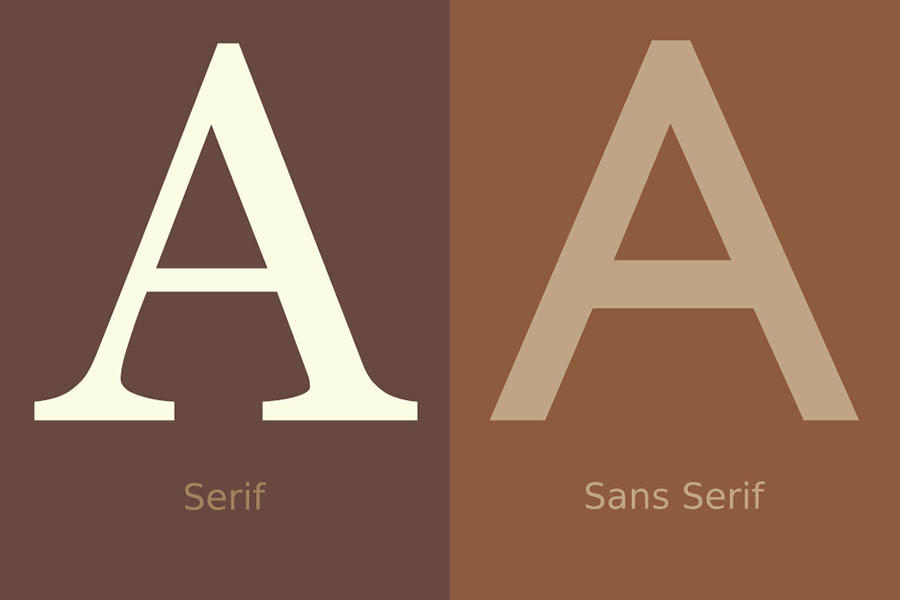
Aspects such as the use of color and the typography. So try not to use too many shades; for standard color combinations, you can choose 3 to 7 different colors in a combination or palette.
Also, choose text that is easy to read and that they don't tire the reader.
3. Consistency
Make sure your site is consistent. This means that it is recognizable no matter which section or page the user is on.
In other words, make sure to provide the same experience on your website as on other pages, including your blog.
4. Accessibility
Accessibility means that all your visitors have a A great experience on your website.
A good website should be easy to understand and designed for people who use assistive technology due to visual or hearing impairments.
5. Conventionality, very important
When you visit a website, there are certain things you already expect because that's how things are usually done.
For example, most websites have the company logo or the logo at the top (usually on the left), with a footer at the bottom containing additional information, the address, and credits.
Generally speaking, the navigation button is also a magnifying glass, while the purchase button is a shopping cart with a number indicating the number of items already in it. These conventions have evolved over time and ensure the user's safety and comfort.
6. Visually Identifiable Hierarchy
The visual hierarchy It helps users understand which aspects of their site they should focus on most.
Have you ever noticed that the most important elements on your favorite websites are larger than the ones that aren't important? That's visual hierarchy.
7. Responsiveness
The website must have optimal visibility on both desktop computers and mobile devices.
In other words, users should have a good experience when viewing your website on their computers, smartphones, or tablets.
Mobile traffic accounts for more than half of all website traffic worldwide, so your website should be easy to view and navigate. If you're also working on your SEO strategy, you should know that Google thrives on mobile responsiveness. Therefore, It's worth optimizing it 🙂
8. Credibility
Credibility is the the level of trust users feel when they visit your website.
This is achieved by speaking honestly about the product or service being offered.
Users will feel more confident and willing to purchase your product or service if you provide an accurate description, benefits, and price.
These web design standards focus on the user experience, so be sure to keep them in mind when improving your website.